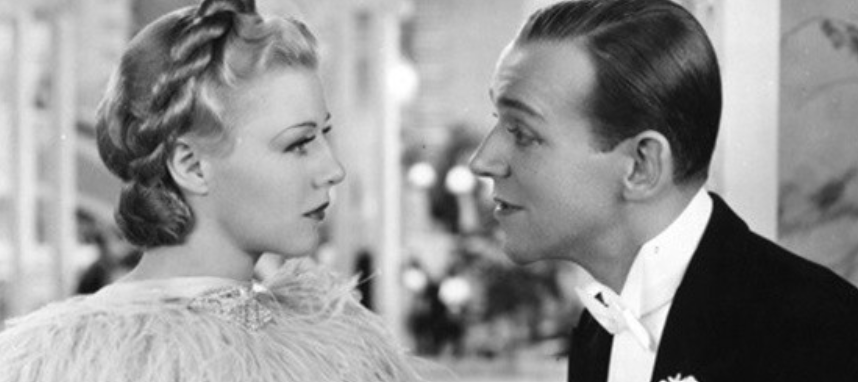
The Golden Age of Hollywood Musicals (1930-1950)
The golden age of the Hollywood musical stretched from the 1930s to the 1950s, when the genre reached its zenith in terms of creativity, technical sophistication and popularity.
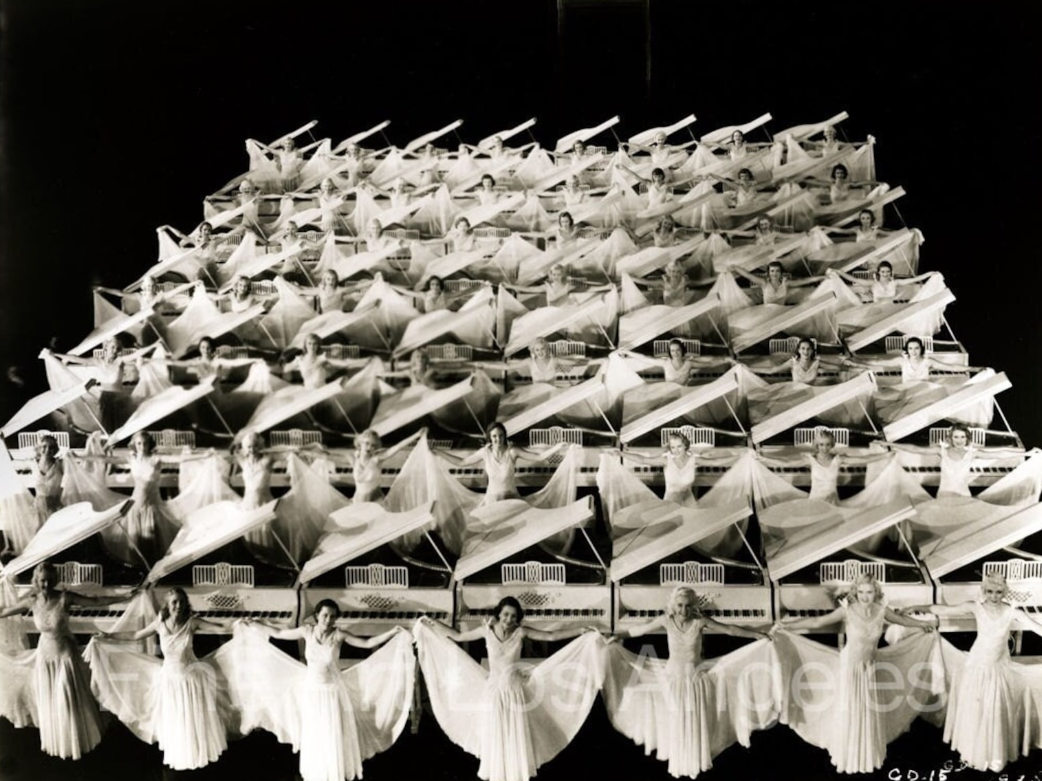
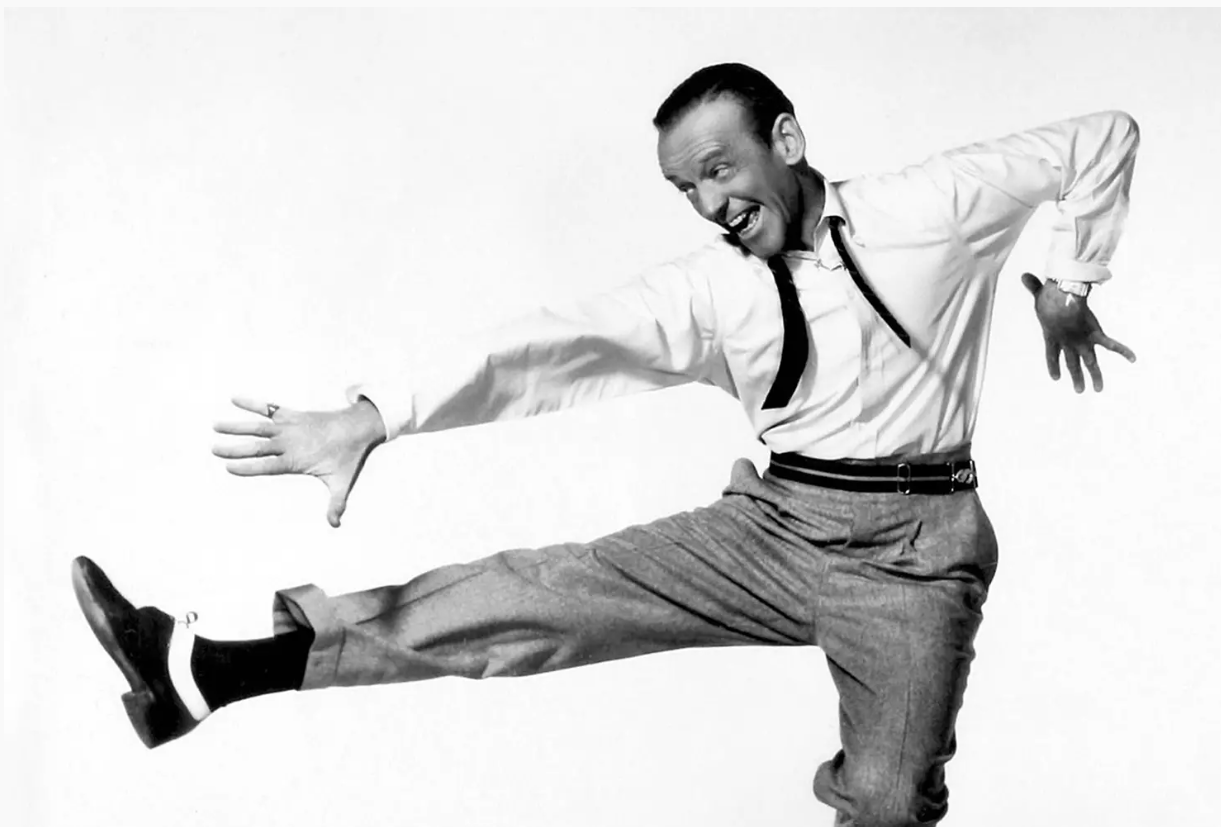
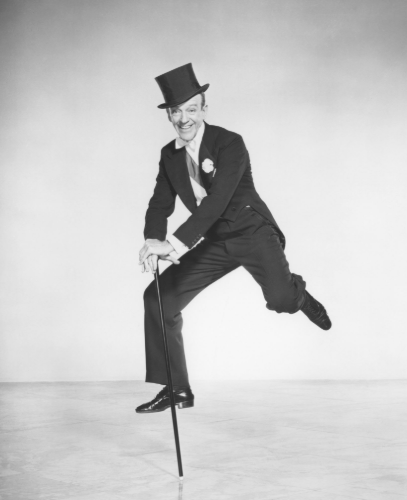
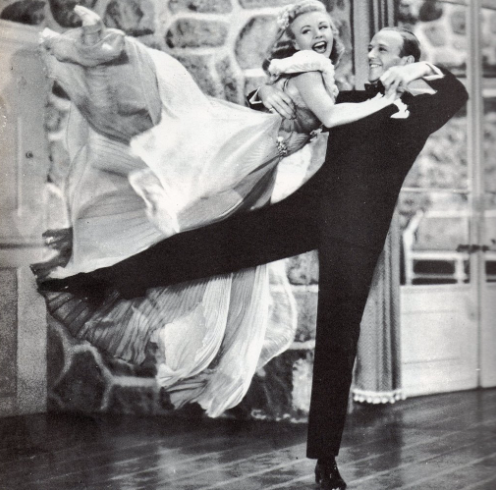
From the 1930s onwards, Warner Bros. innovated with films choreographed by Busby Berkeley, where spectacular, geometric sequences amazed audiences(42nd Street, Gold Diggers of 1933). Meanwhile, RKO triumphed with the duo Fred Astaire and Ginger Rogers, whose elegant dances combined romance and virtuosity(Top Hat, Swing Time).
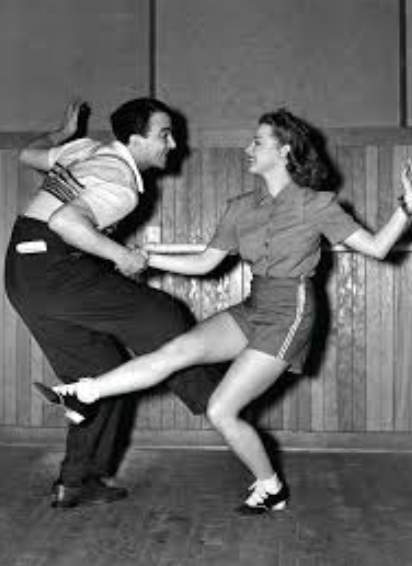
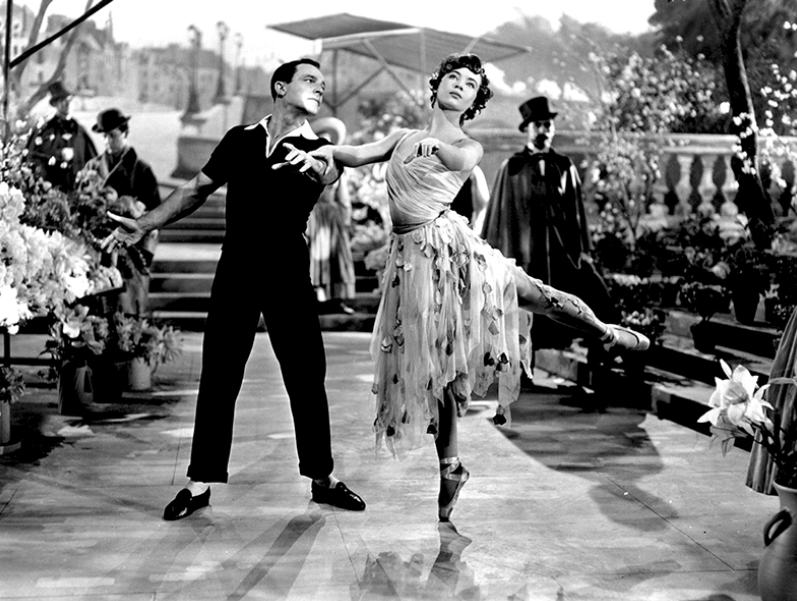
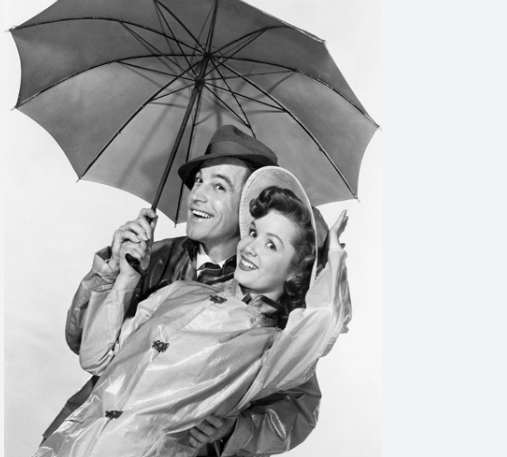
In the 1940s, MGM took the lead under Arthur Freed, with films combining plot, song and elaborate choreography(Meet Me in St. Louis, Easter Parade). The following decade saw the consecration of Gene Kelly, revolutionizing staging with Singin' in the Rain (1952) and An American in Paris (1951).
Thanks to technological advances (Technicolor, CinemaScope), the musical became a total spectacle. This golden age gradually died out in the 1960s, but its influence remains a major one in the history of cinema.
LA COMEDIE MUSICALE HOLLYWOODIENNE
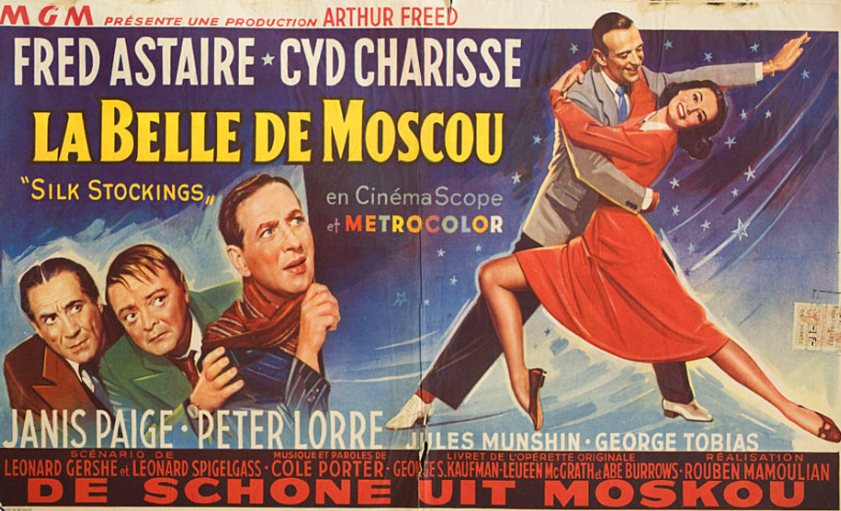
La Belle de Moscou (Silk Stockings, 1957)
La Belle de Moscou (Silk Stockings, 1957)
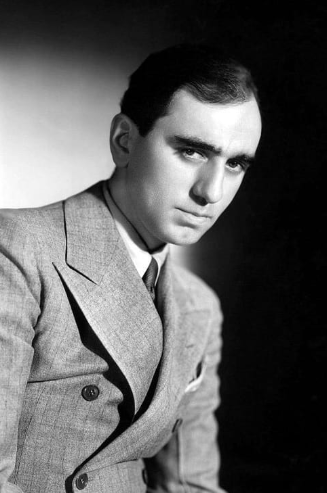
Directed by Rouben Mamoulian, The Beauty of Moscow is an American musical inspired by the French film Ninotchka (1939) and Cole Porter's musical.
The story follows Ninotchka Yoschenko (played by Cyd Charisse), a strict, disciplined Soviet commissar sent to Paris to bring back three Russian agents who have been seduced by Western life. While there, she meets Steve Canfield (Fred Astaire), an American film producer, who tries to charm her into staying in Paris.
At first rigid and impervious to the pleasures of the French capital, Ninotchka eventually succumbs to music, dance and love. This film blends romance, humor and a light-hearted critique of communism, with spectacular dance numbers and Cole Porter's iconic songs.
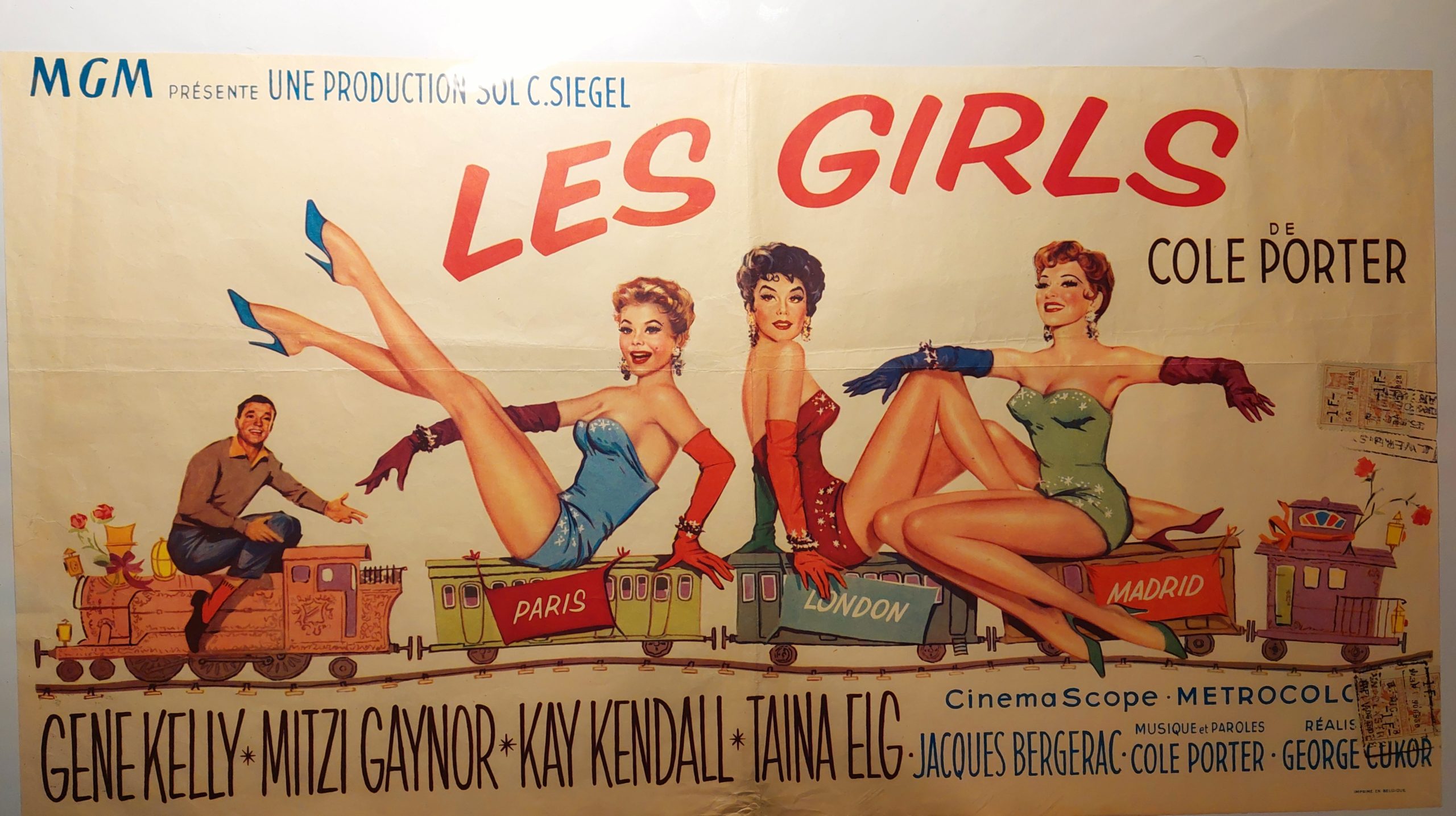
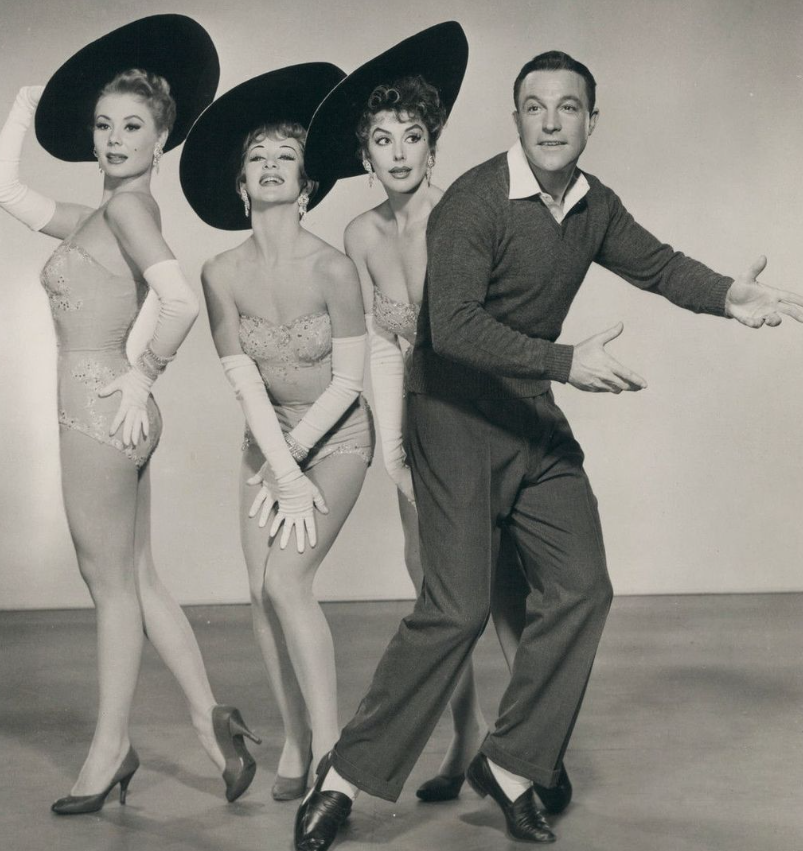
Les Girls (1957) - The Girls
In divergent flashbacks, the film tells the story of a troupe of dancers led by Barry Nichols (Gene Kelly). Each of the three principal dancers - Joy, Sybil and Angele - gives her version of their shared adventure touring Europe, leading to conflicting accounts. The story is set against the backdrop of a court case in which one former dancer is suing another for libel following the publication of a book about their shared past.
The film is distinguished by its humor, musical performances and George Cukor's elegant direction. Gene Kelly and Jack Cole's dynamic choreography adds a touch of energy to the film, which is based on an original narrative structure for a musical of the time.