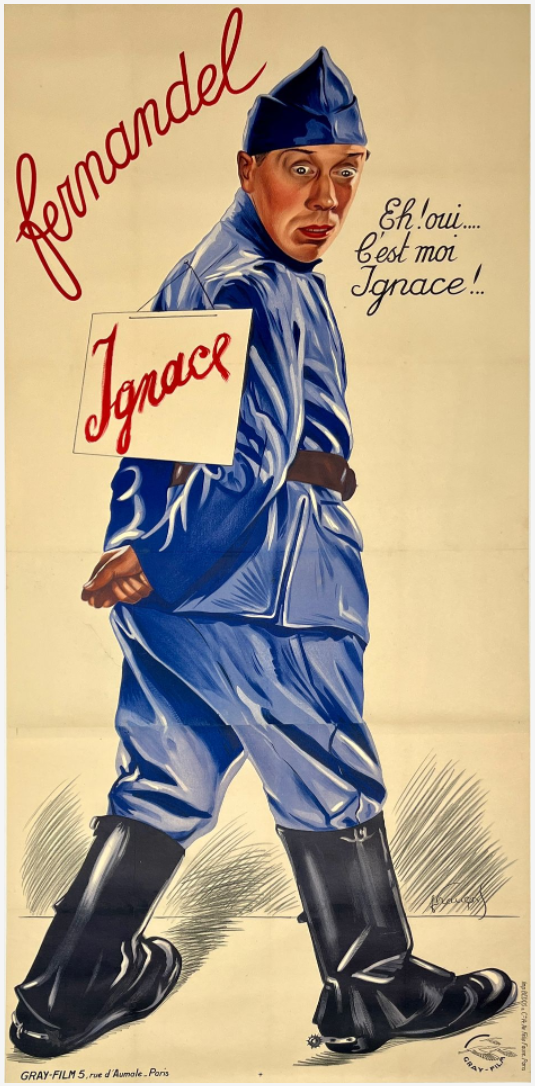
IGNACE
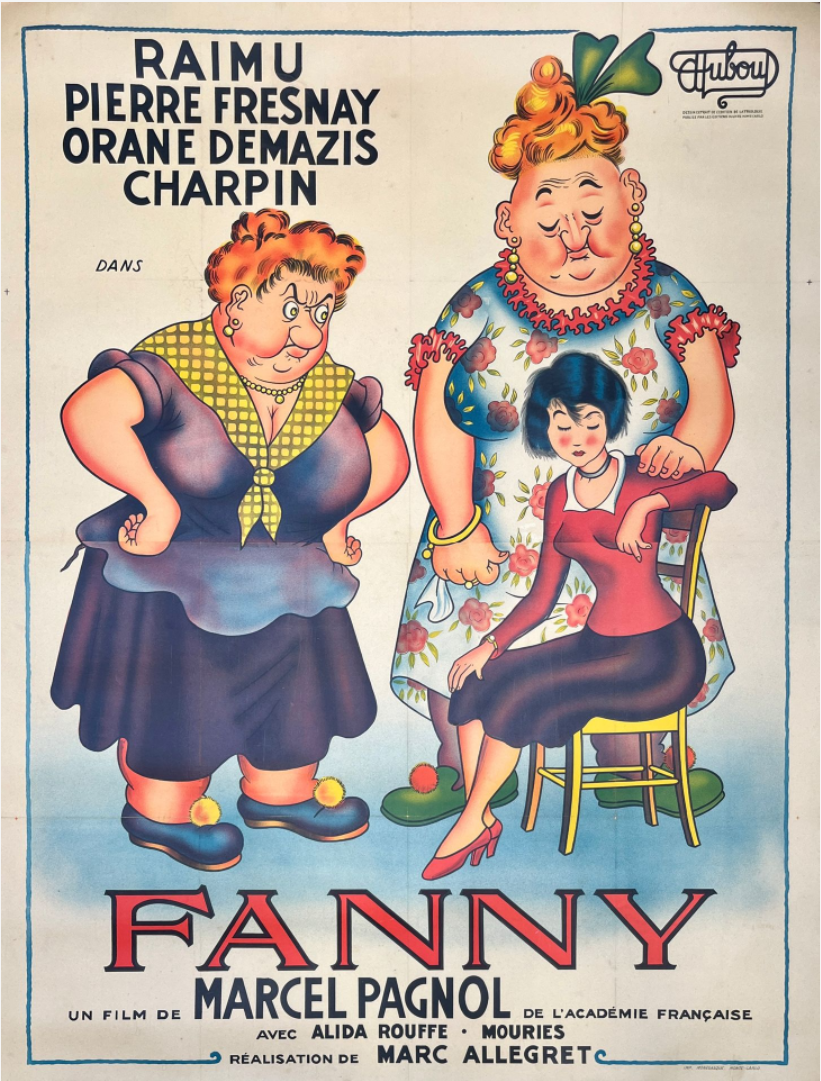
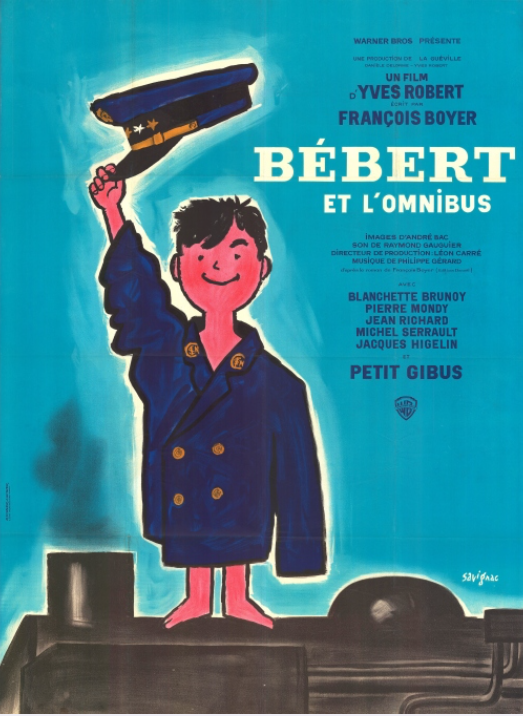
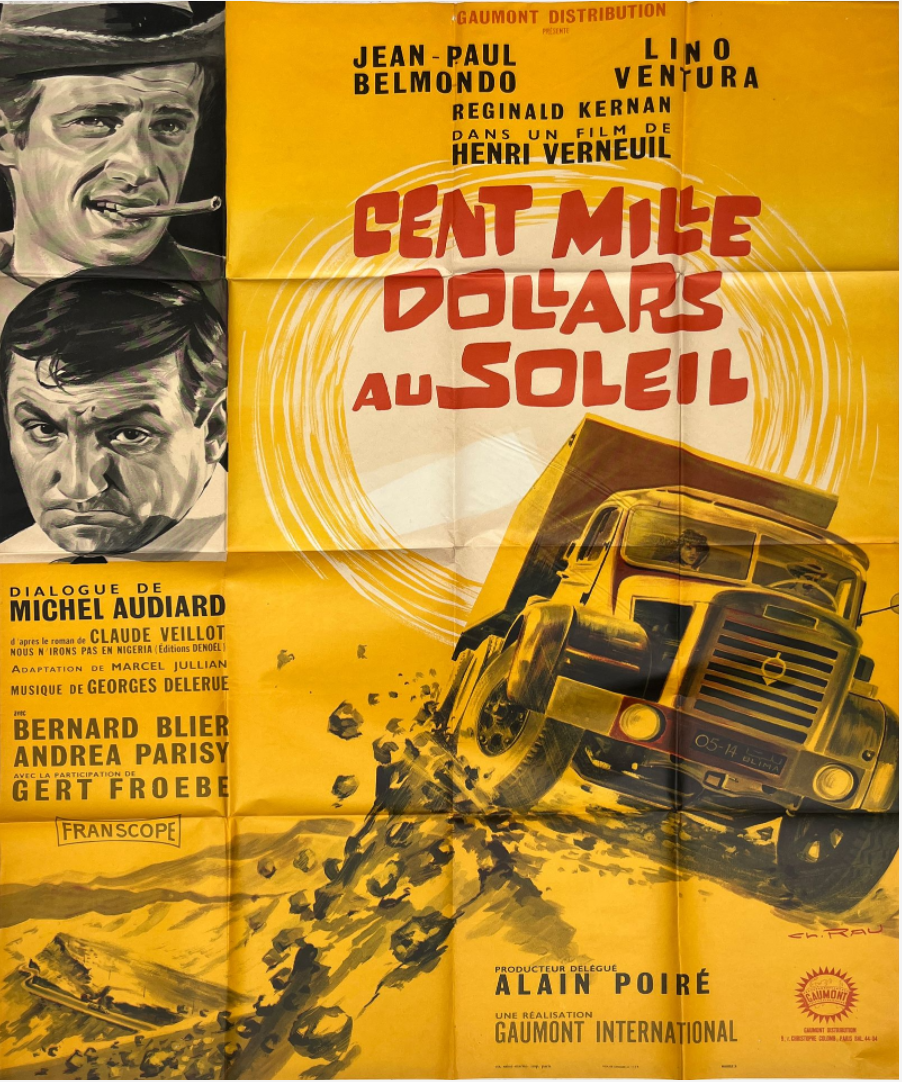
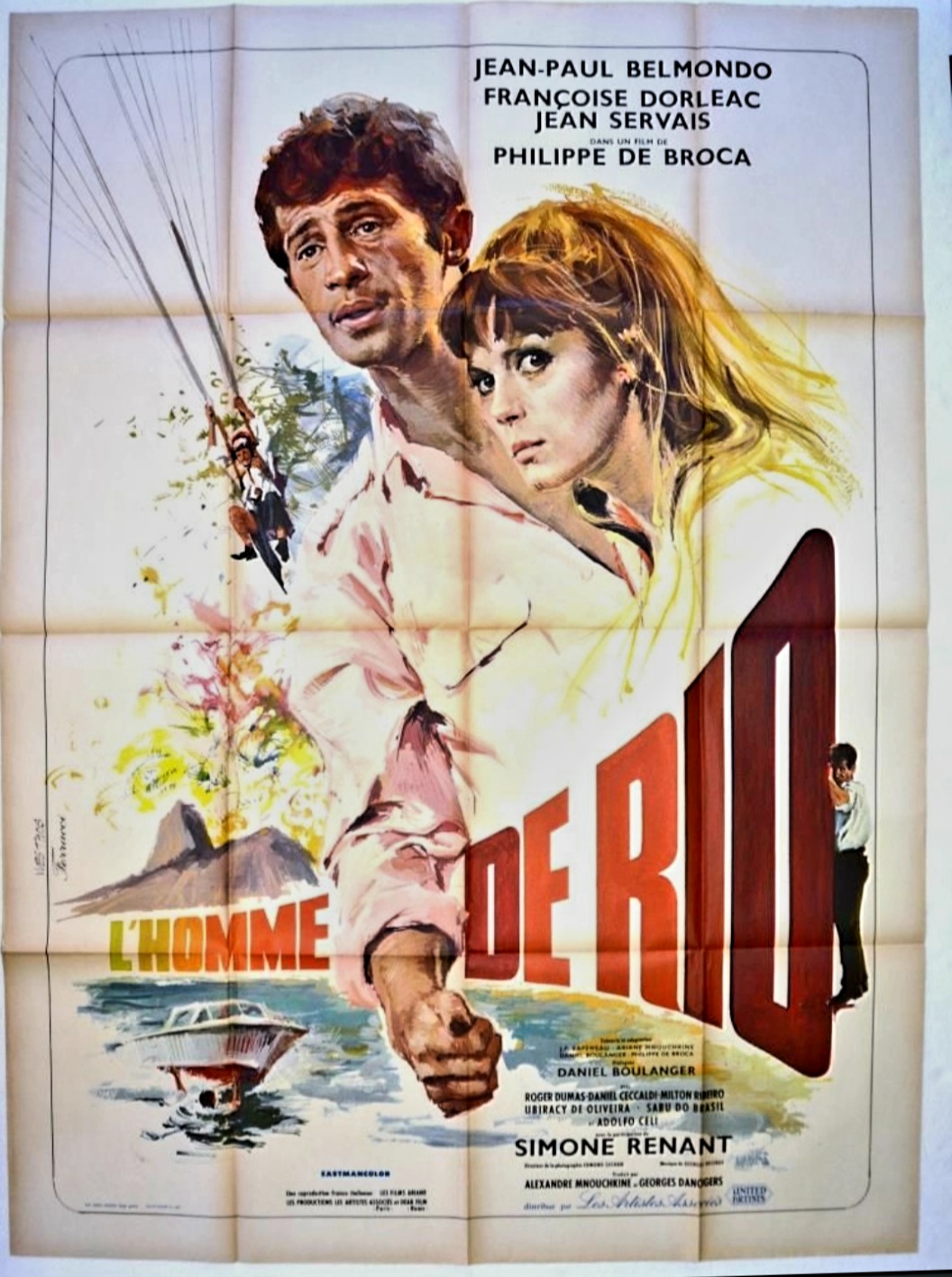
Film poster artists: artists of the ephemeral for eternity...
The movie poster: an art in motion
The film poster is much more than a simple advertising medium: it's a gateway to a world, a first glimpse of a cinematic work. In France, poster artists have developed a strong identity, blending graphic design, painting, and illustration to capture the essence of films. This exhibition celebrates some of the biggest names in this art form through their most striking creations.
A graphic journey to the heart of cinema
Through this exhibition, we invite you to explore the richness and diversity of French poster artists, whose styles and influences have forever marked the history of cinema. From realistic precision to colorful abstraction, each work tells a story even before the film begins. Enjoy your discovery!
LES MAITRES FRANCAIS DE L'AFFICHE DE CINEMA
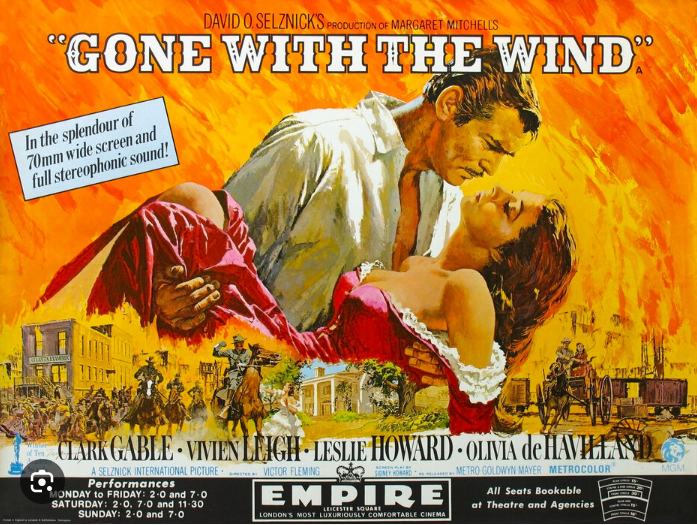
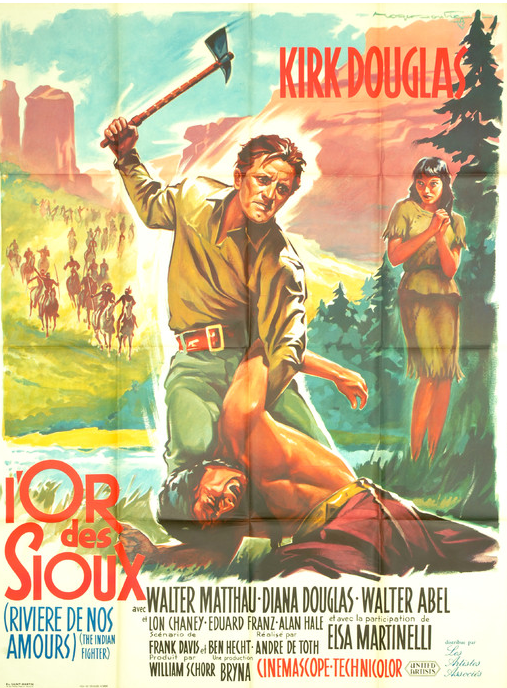
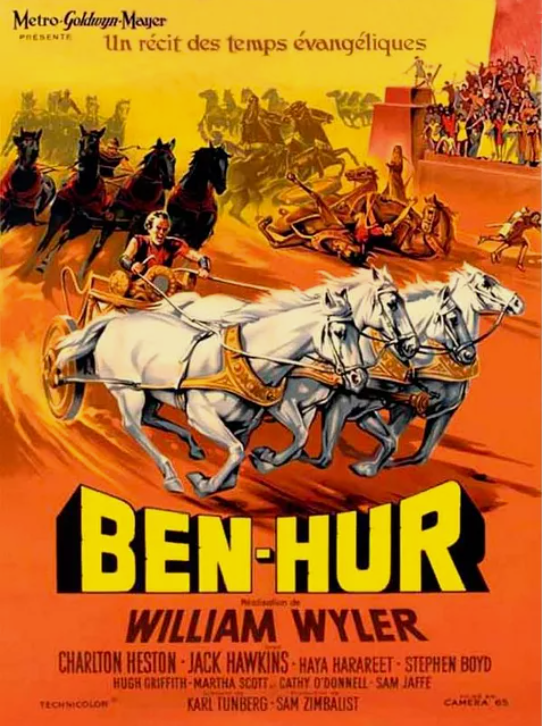
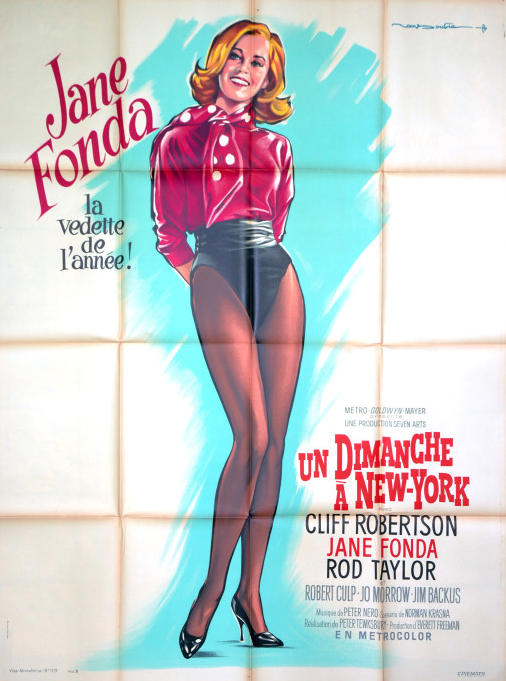
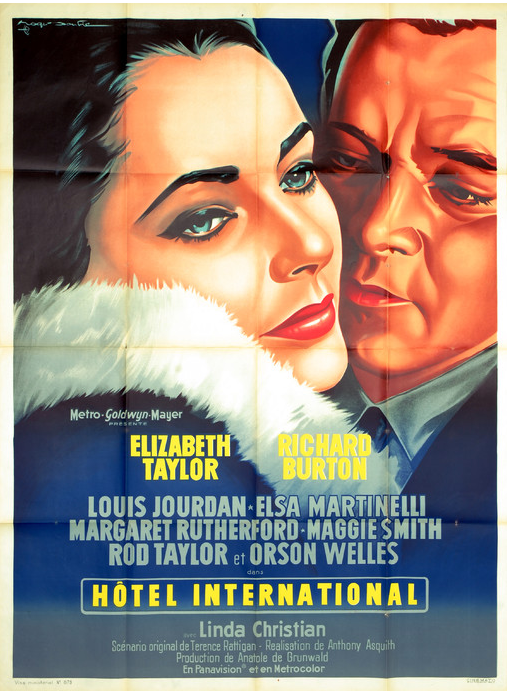
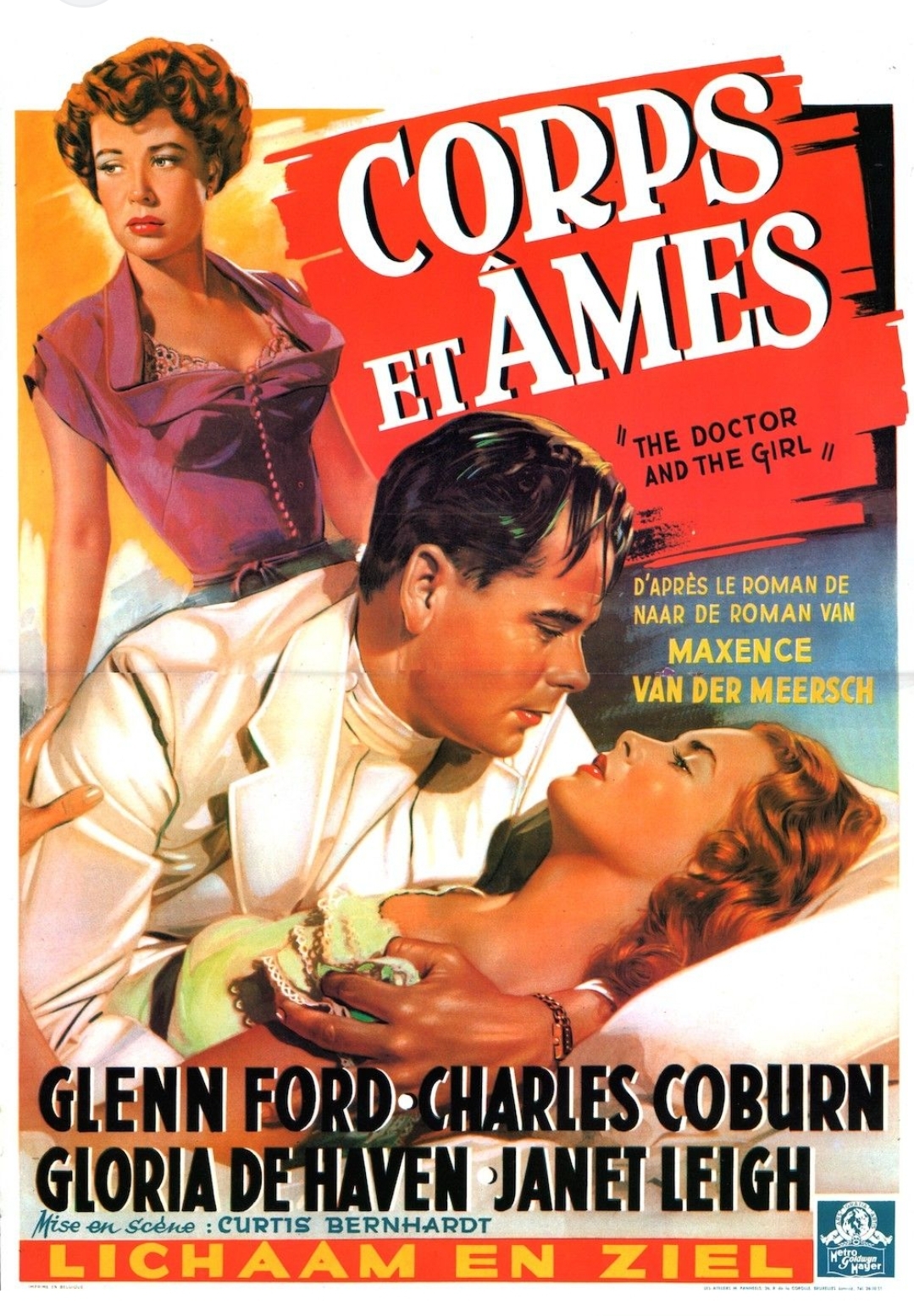
ROGER SOUBIE
Roger Soubie (1898-1984) est reconnu pour son style réaliste et détaillé, souvent inspiré de la peinture académique. Il a illustré de nombreuses affiches marquantes du cinéma français et international, comme « Les Quatre Cents Coups » (1959) et « Autant en emporte le vent » (1950, réédition française), capturant avec élégance l’essence des films.
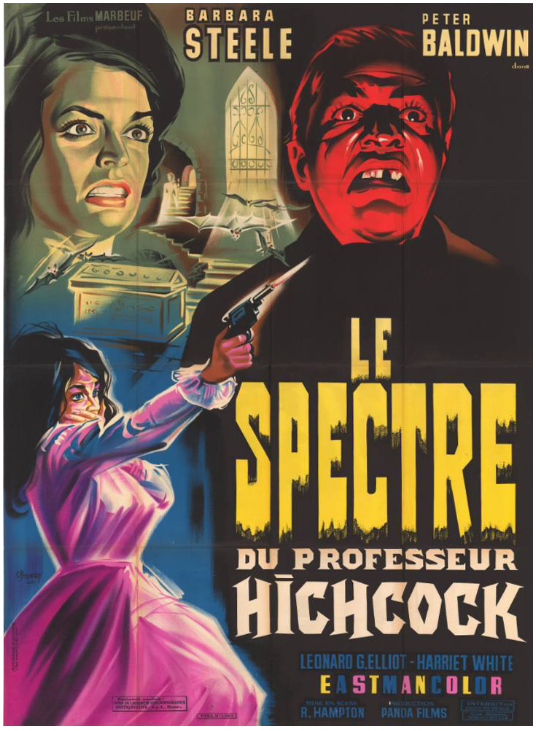
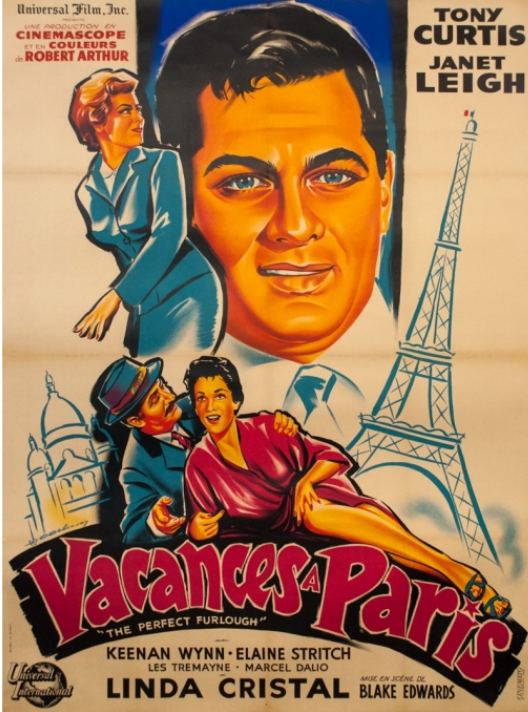
CONSTANTIN BELINSK
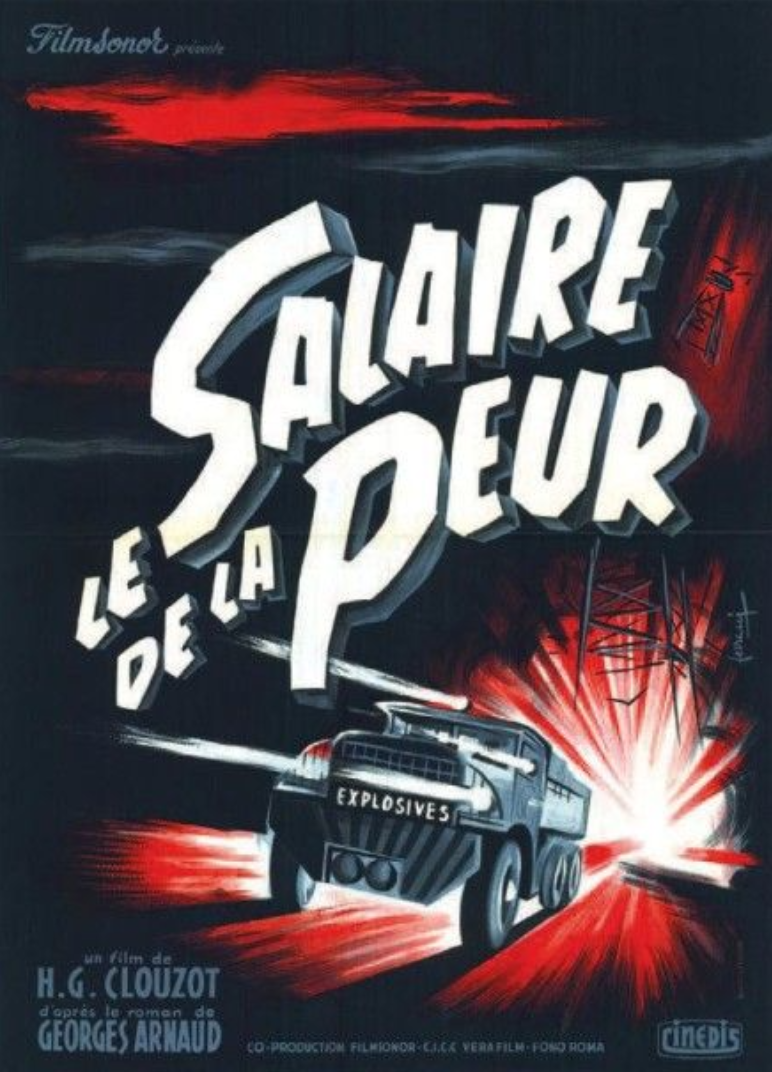
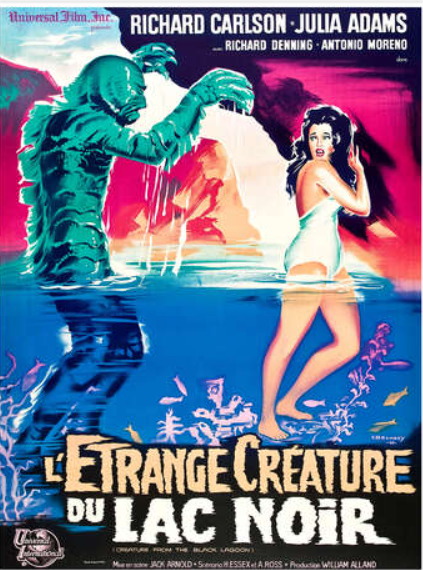
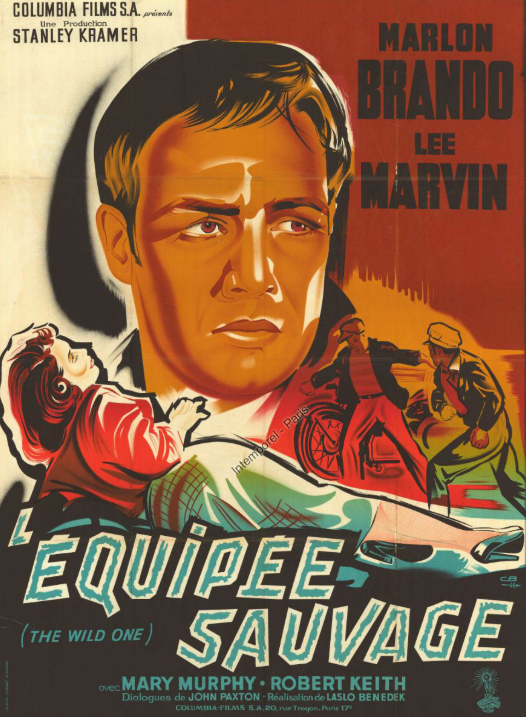
Constantin Belinsky est un affichiste et illustrateur reconnu pour son travail dans le domaine de l’affiche de cinéma, en particulier dans la tradition graphique d’Europe de l’Est. Son style se distingue par une approche artistique forte, souvent éloignée des standards commerciaux occidentaux, privilégiant l’interprétation visuelle et symbolique du film plutôt qu’une simple reproduction des acteurs ou des scènes.
Influencé par les courants de l’affiche polonaise et du graphisme soviétique, Belinsky développe des compositions marquées par l’usage de formes stylisées, de couleurs contrastées et d’éléments parfois abstraits. Ses créations traduisent une volonté de synthèse : capter l’essence du film en une image unique, souvent énigmatique et conceptuelle.
Dans ses affiches, le dessin et la composition priment sur la photographie, avec une attention particulière portée à l’équilibre visuel et à l’impact graphique. Cette approche confère à ses œuvres une dimension artistique autonome, au-delà de leur fonction promotionnelle.
Le travail de Constantin Belinsky s’inscrit ainsi dans une tradition où l’affiche devient un objet culturel à part entière, recherché par les collectionneurs pour sa valeur esthétique et son originalité. Son œuvre témoigne de l’importance de l’affiche comme médium d’expression artistique, capable de renouveler le regard porté sur le cinéma.
RENE PERON
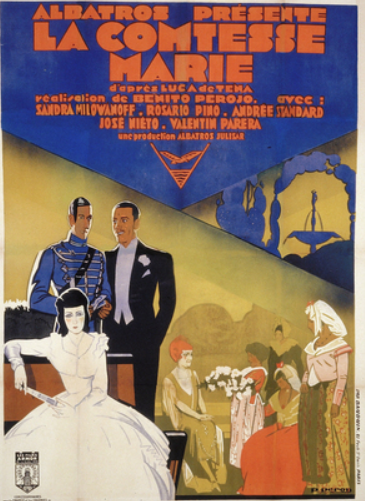
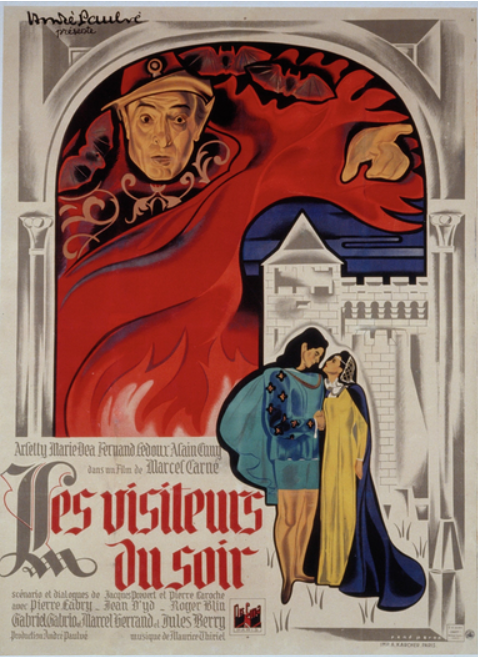
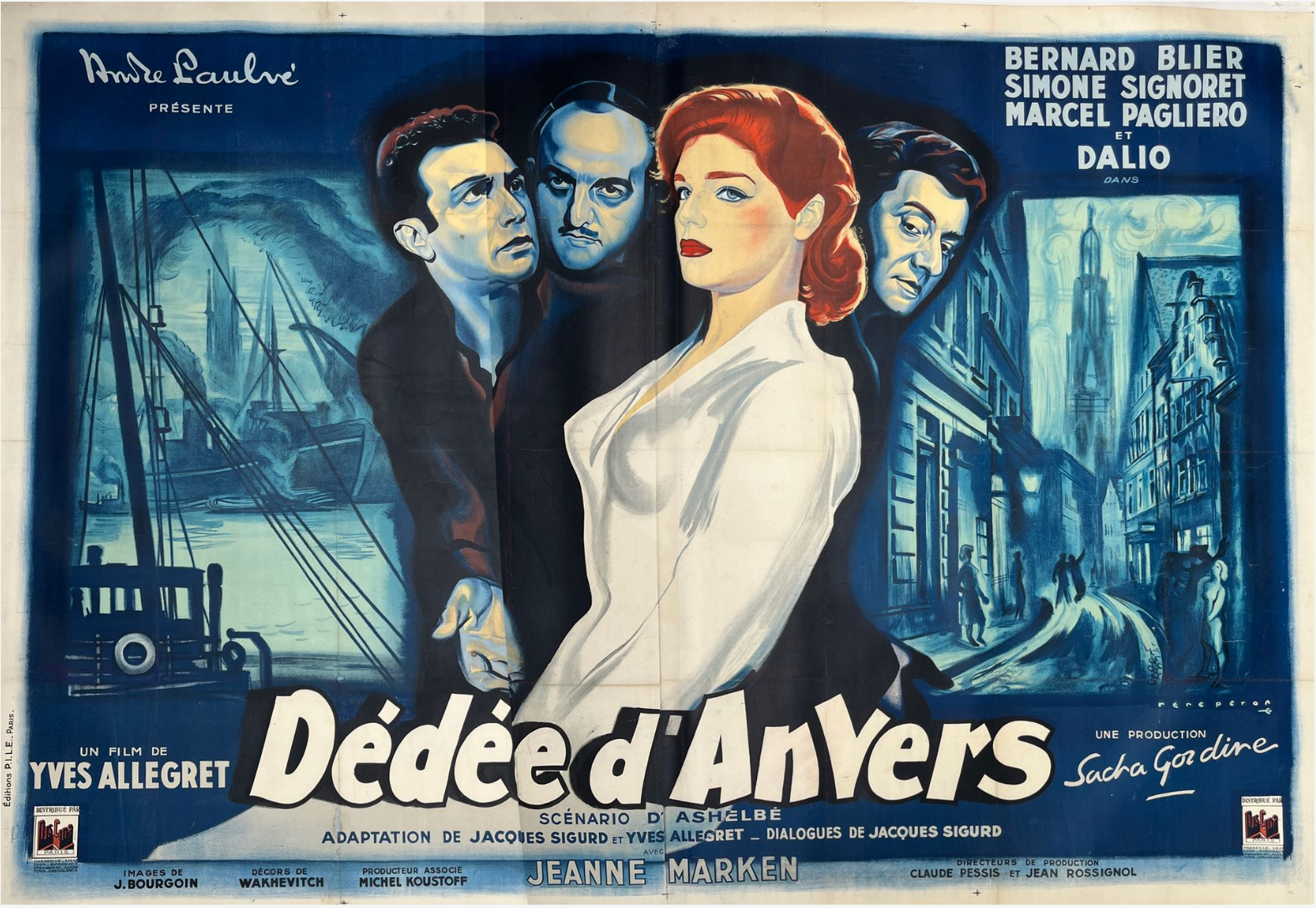
René Péron (1904-1972) a marqué le monde de l’affiche avec son style élégant et expressif. Il a réalisé des affiches emblématiques comme celles de « Quai des brumes » (1938) et « Les Visiteurs du soir » (1942), capturant avec finesse l’atmosphère poétique et dramatique de ces films.
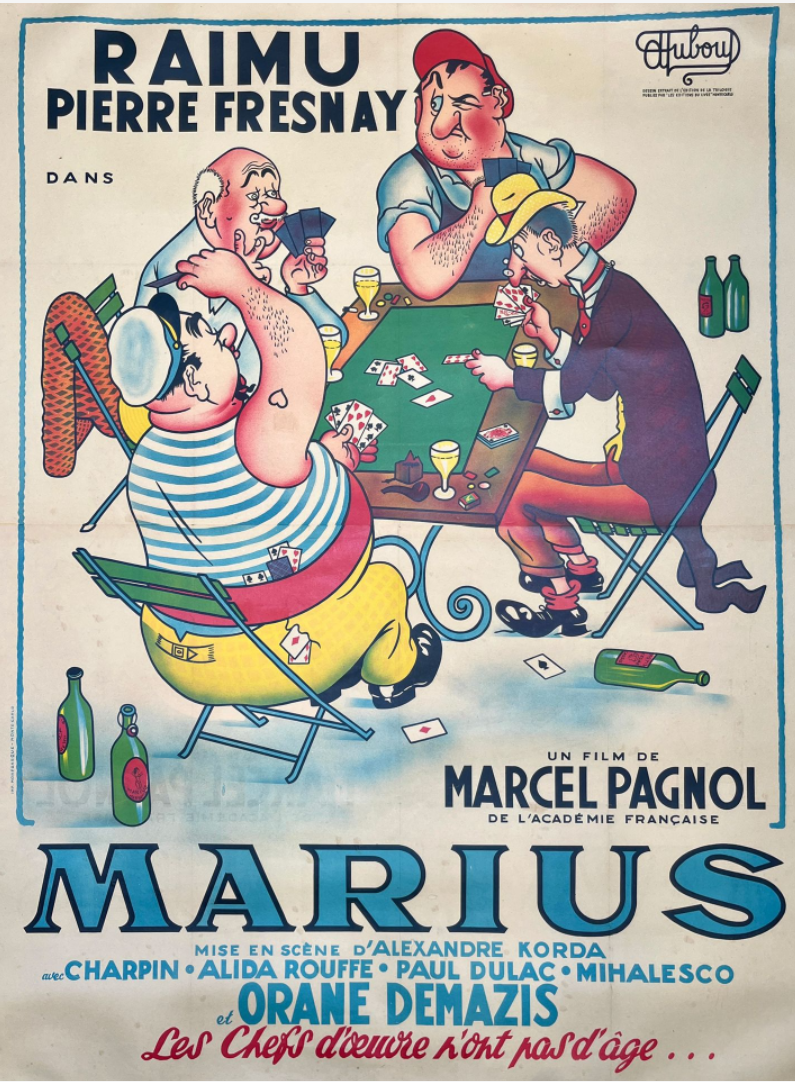
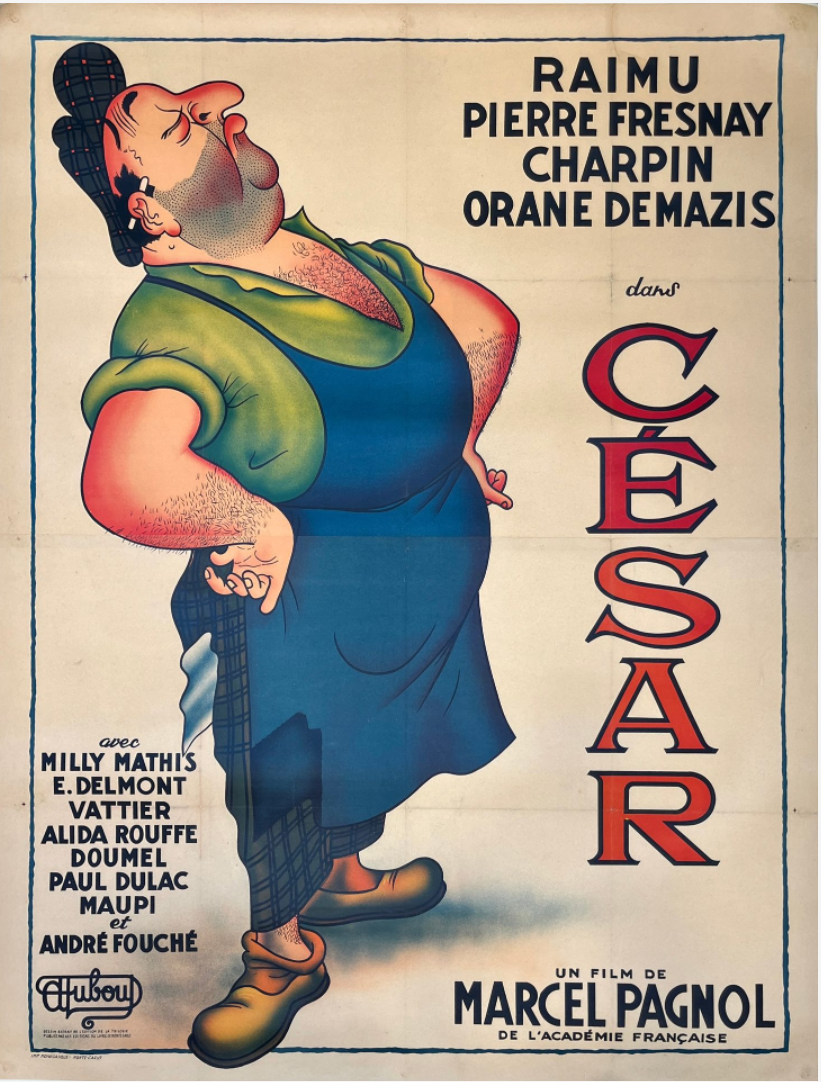
ALBERT DUBOUT
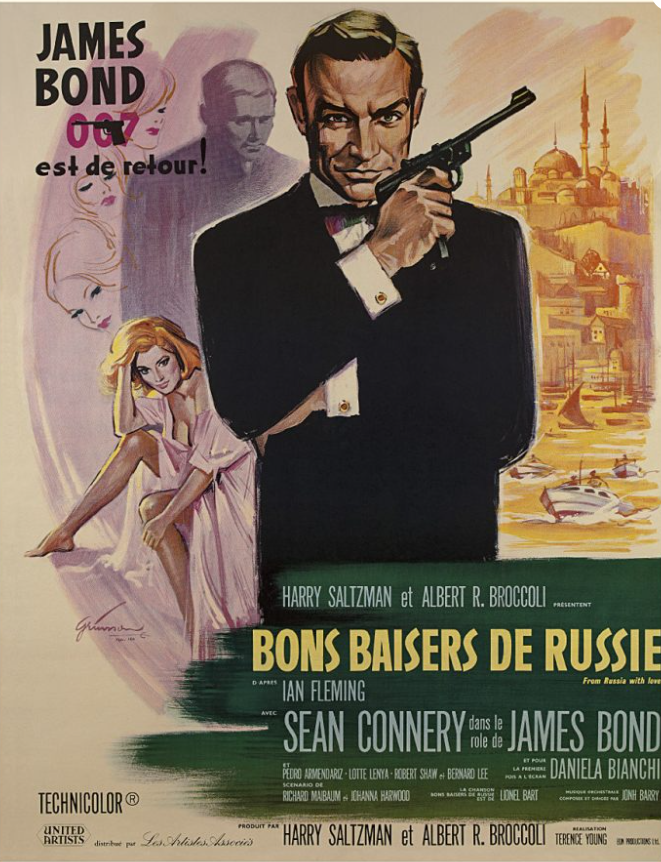
BORIS GRINSSON
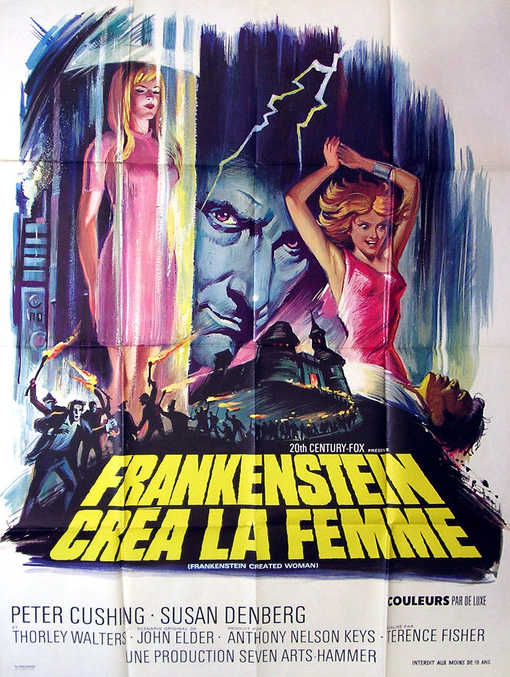
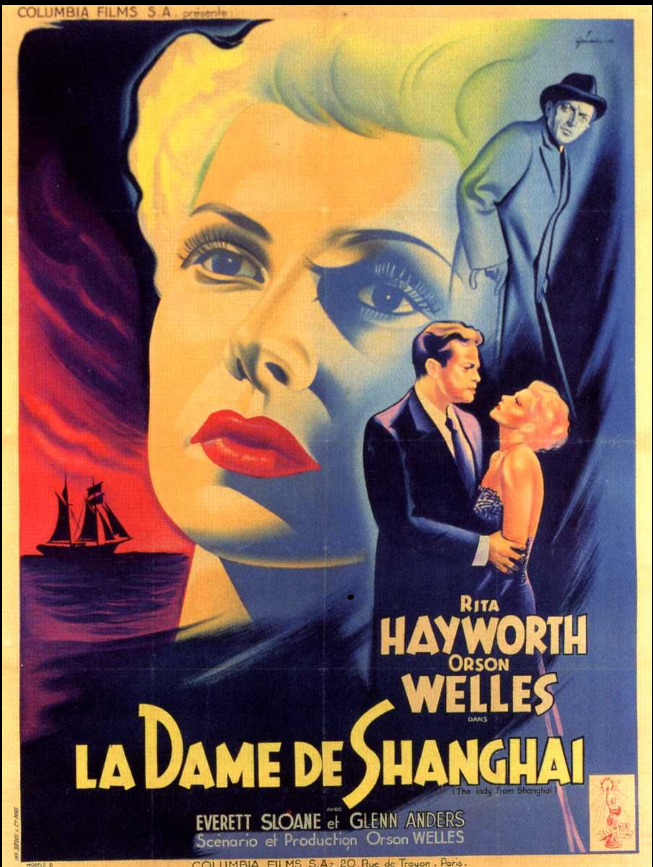
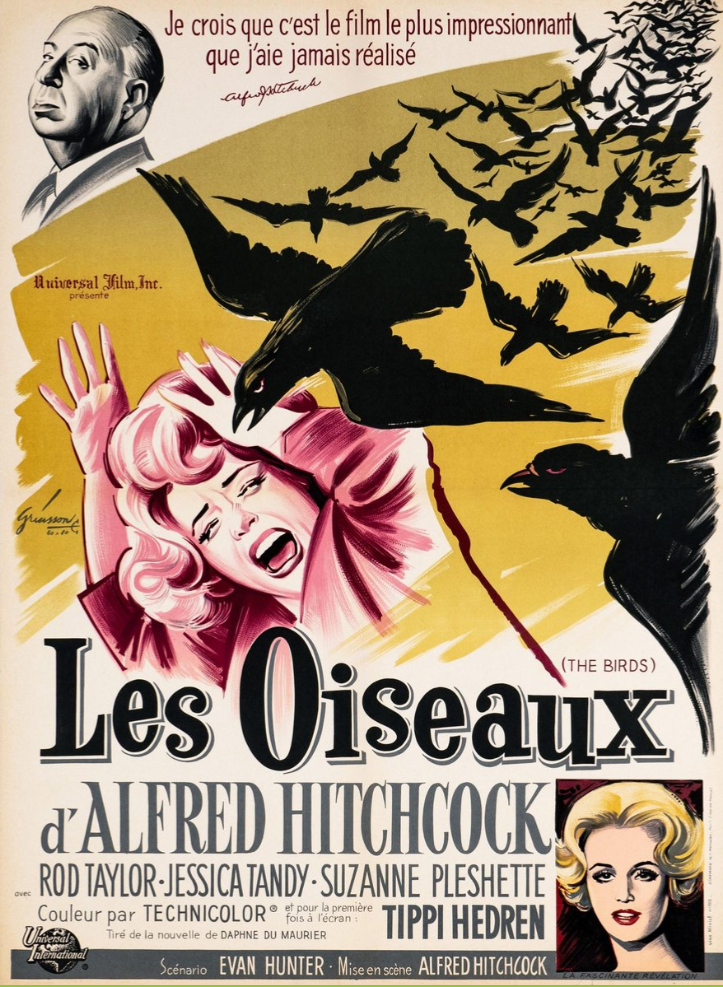
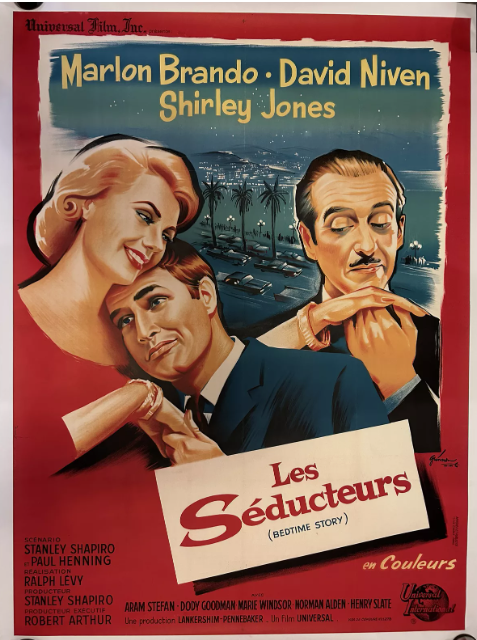
Boris Grinsson (1907–1999) est l’un des affichistes majeurs du cinéma français du XXe siècle. D’origine russe, il s’installe en France où il développe une carrière prolifique, réalisant plusieurs centaines d’affiches pour le cinéma, notamment entre les années 1940 et 1970. Il travaille pour de nombreux films français et internationaux, contribuant à l’identité visuelle de grandes productions de l’époque.
Son style se caractérise par une approche picturale très expressive, mêlant réalisme et stylisation. Grinsson excelle dans l’art du portrait, capturant avec précision les visages des acteurs tout en accentuant leur présence dramatique. Il utilise des compositions dynamiques, des contrastes marqués et une palette de couleurs riche pour créer des images à fort impact visuel.
Contrairement à certaines écoles plus conceptuelles, son travail reste accessible et directement lié au contenu du film, ce qui le rend particulièrement efficace sur le plan commercial. Il sait synthétiser intrigue, ambiance et vedettes en une seule image lisible et attractive.
Aujourd’hui, les affiches de Boris Grinsson sont très recherchées par les collectionneurs. Elles témoignent d’un âge d’or de l’affiche illustrée, où le savoir-faire artistique jouait un rôle central dans la promotion des films.
Let's run away!
the war of the buttons
Alexander the Blessed
Lancelot of the Lake
RAYMOND SAVIGNAC
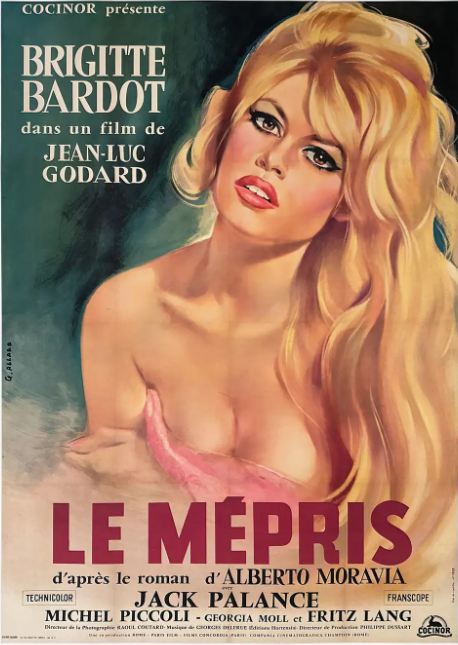
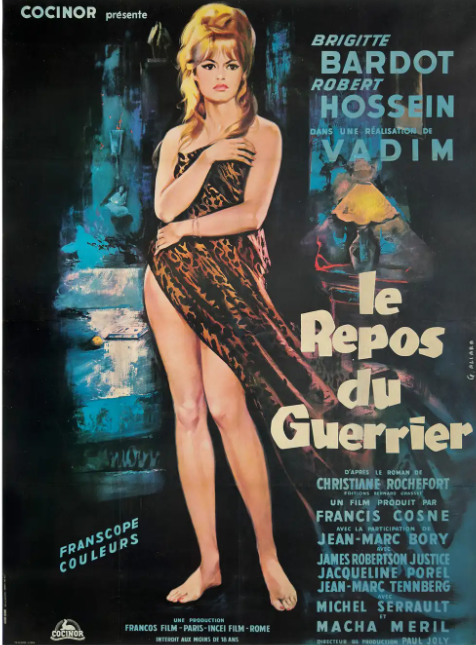
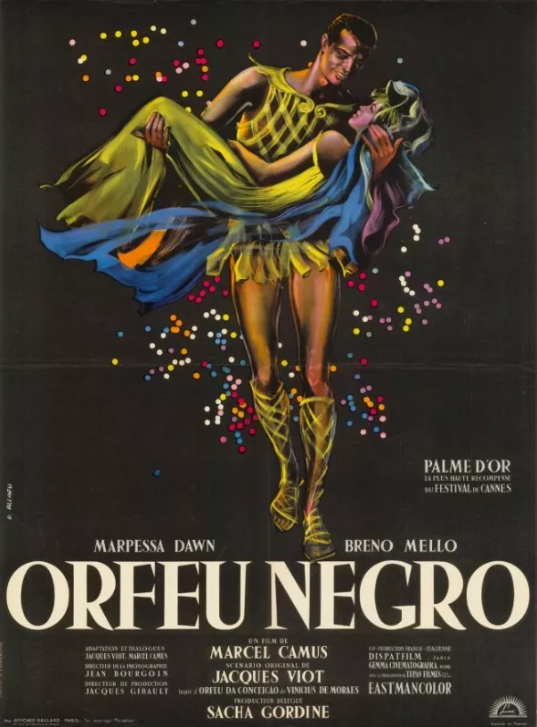
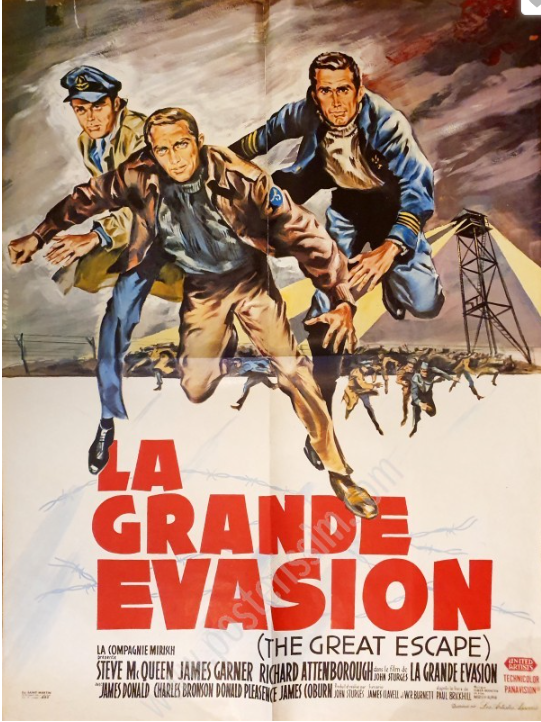
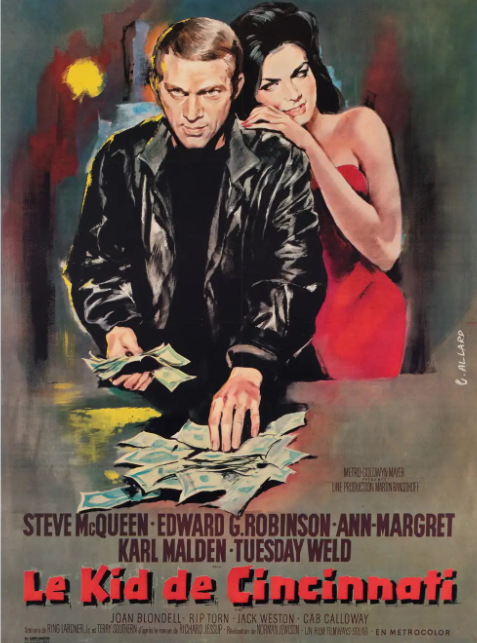
GEORGES ALLARD
Gilbert Allard, souvent cité sous le nom de Georges Allard, était un affichiste et lithographe français actif principalement entre la fin des années 1940 et la fin des années 1960. Durant cette période, il a réalisé plus d’une centaine d’affiches pour des films distribués en France. Le style de G. Allard se caractérise par une utilisation habile des couleurs et une composition soignée, visant à capter l’attention du spectateur tout en reflétant fidèlement l’atmosphère du film.